Beeflation is taking a serious bite out of the barbecue budget. For our family of four, the beef price increases I was comparing put us on track to spend roughly $1,000 more over a year without buying any more beef.
That is a lot of money to spend on exactly the same briskets, ribs, and burgers. So, is buying a quarter cow the answer?
My friend Max recently bought one and shared the costs, receipts, and everything that came home from the butcher. We weighed the entire order and compared it with prices at local grocery stores, butcher shops, and club stores. The result? Buying beef in bulk saved money in this example, but the advertised price per pound did not tell the whole story.
There are also four ways our family saves on barbecue without committing to a freezer full of one animal. Those may be the better fit if you would rather pick your own briskets than plan your next 232 smash burgers.
Key Takeaways
- Compare bulk beef using the final take-home cost per pound, not the hanging-weight price.
- This quarter-cow purchase saved 13% overall, but approximately 42% of the order was ground beef.
- Vacuum sealing and extra freezer capacity make seasonal meat discounts easier to use.
- Choosing Choice brisket and shopping after peak demand can lower barbecue costs without buying a quarter cow.
Table of Contents
- Is Buying a Quarter Cow Worth It? Start With the Advantages
- The Quarter-Cow Cost Breakdown: Hanging Weight Versus Take-Home Weight
- Where Buying Beef in Bulk Saved Money, and Where It Did Not
- Four Downsides to Buying a Quarter Cow
- What Does 58 Pounds of Ground Beef Actually Look Like?
- Four Ways to Save on BBQ Without Buying a Quarter Cow
- The Best Deal Is Beef You Will Actually Use
Is Buying a Quarter Cow Worth It? Start With the Advantages
Buying a quarter cow is not just about finding cheaper steaks. There are four genuine advantages worth considering before getting into the math.
- You can bypass the grocery store markup. Buying closer to the source removes the retail middleman, at least in theory. Whether that translates into savings still depends on the final cost and what you receive.
- You have more control over sourcing. You can look for a farmer whose feeding and finishing practices match your preferences, such as grass-fed and grass-finished beef or grain-finished beef.
- You can discuss professional aging. A longer dry-aging period can influence flavor and tenderness across the beef being processed, not just the steaks. That can include the portions destined for prime rib, brisket, and ground beef.
- You can request custom cuts. Working with the farmer and processor may give you access to cuts or cutting specifications that are difficult to find in a normal retail case.
Those benefits can have value even if the savings are modest. But if saving money is the main goal, you need to understand exactly what weight you are paying for.
The Quarter-Cow Cost Breakdown: Hanging Weight Versus Take-Home Weight
At a butcher shop, individual cuts have individual prices. Ground beef costs one amount, while a ribeye can cost dramatically more per pound. Quality, demand, seasonality, and the cut itself all influence that price.
A quarter-cow purchase often works differently. In this case, the price was based on hanging weight, meaning the carcass weight before dry aging and final processing. That is not the same as the weight of the packages you bring home.
Here is how Max’s purchase worked out:
- Hanging weight: 197.5 pounds.
- Price per hanging pound: $9.50.
- Purchase cost: $1,876.25, calculated from those figures.
- Aging period: 28 days.
- Final take-home weight: 138.5 pounds.
- Effective cost per take-home pound: approximately $13.55.
That is the difference between thinking you bought beef for $9.50 a pound and discovering that everything in the order effectively averages $13.55 a pound.
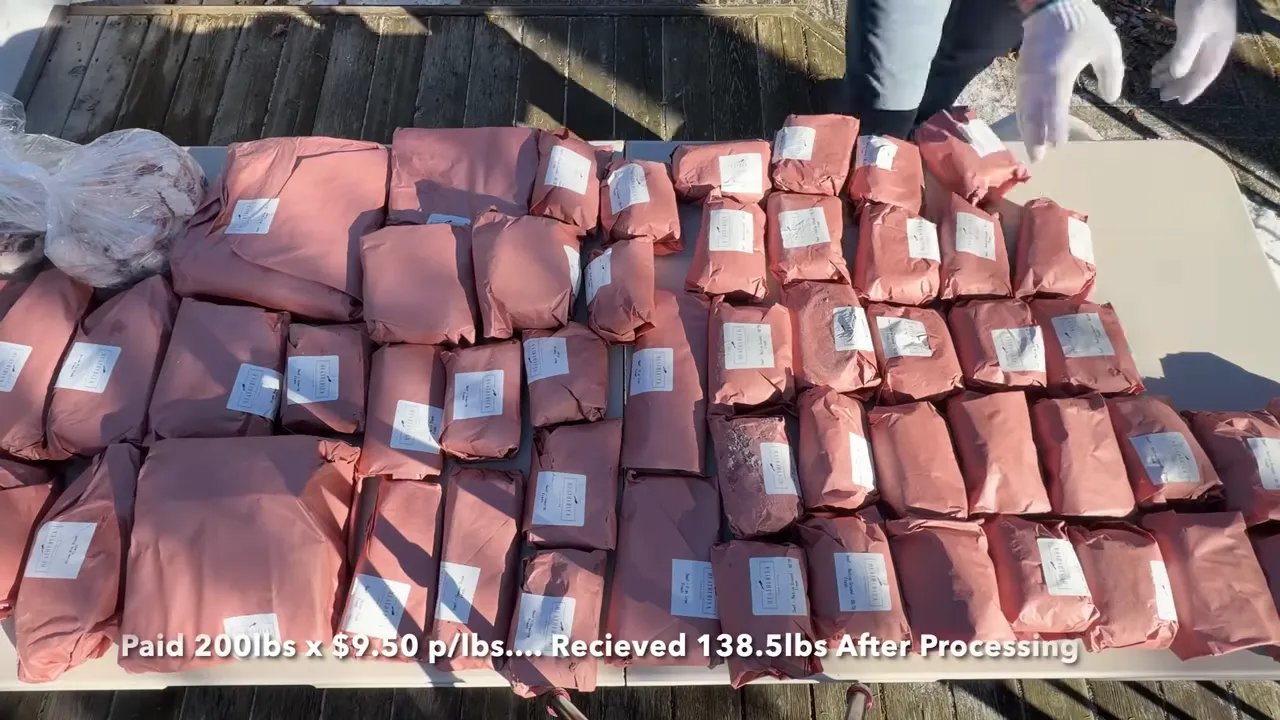
The reduction comes from processing and butchery, along with moisture loss during dry aging. In this order, bones and fat were also part of what came home, so the final weight was not simply a pile of boneless steaks and roasts.
The useful calculation is total cost divided by final take-home weight. Comparing a hanging-weight price directly with a grocery store’s packaged-meat price does not give you a fair comparison.
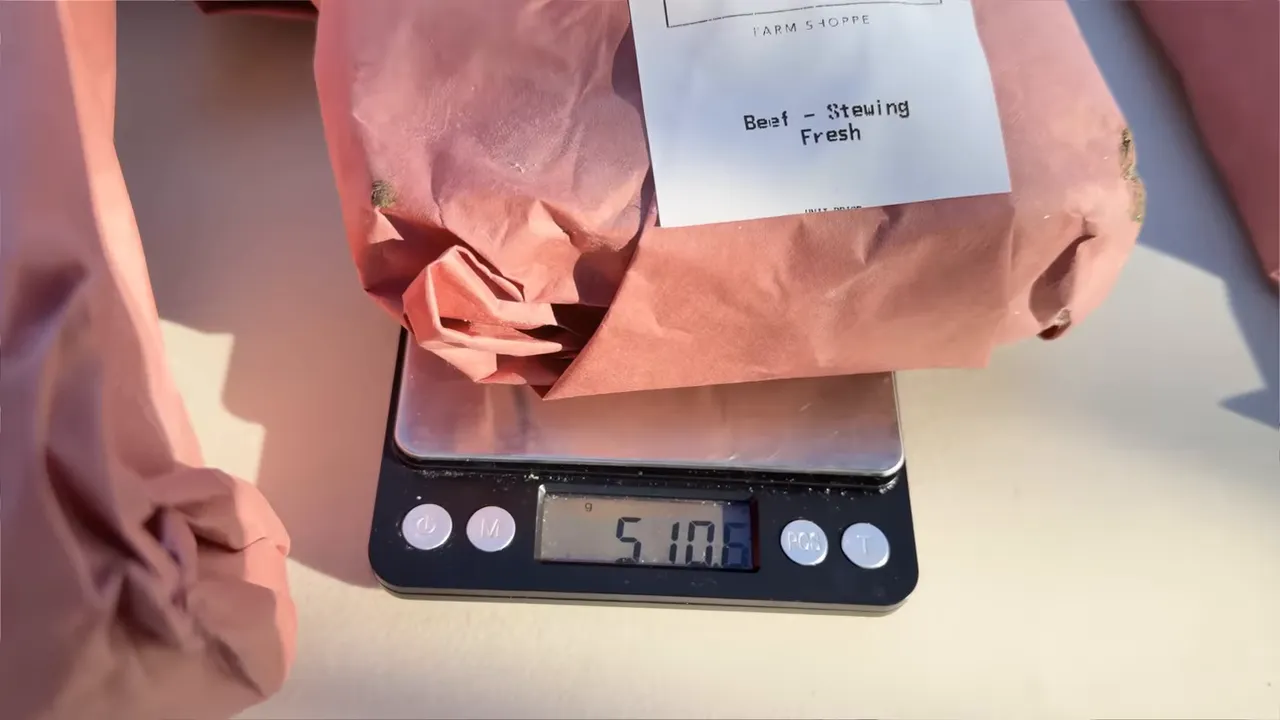
Max and I weighed everything to establish that final total. Without that step, we would have been comparing the wrong numbers.
Where Buying Beef in Bulk Saved Money, and Where It Did Not
Once we knew the effective price, I compared the order with the cost of buying the individual items locally. I checked grocery stores, butchers, and club stores rather than assuming one retail source represented the whole market.
The strongest savings in this comparison came from:
- Prime rib.
- Beef ribs.
- Brisket.
That sounds promising for a barbecue family. The trouble is that the same average cost also applies to the less expensive parts of the order.
We gave back some of those savings on:
- Beef bones.
- Fat for tallow.
- Ground beef.
Paying an average of $13.55 a pound feels very different when you are holding a premium roast versus a package of ground beef. A bulk purchase does not automatically make every steak a bargain, and it can make ground beef considerably more expensive than buying it separately.
After adding up the wins and losses, this particular quarter cow delivered an overall saving of about 13% compared with the local retail prices I checked.
That goes a long way toward offsetting the roughly 15% year-over-year beef increase in my comparison. It is not a guaranteed saving for every household, though. Your farmer’s price, processing arrangement, final yield, local retail prices, and cut selection will determine your result.
Four Downsides to Buying a Quarter Cow
The aggregate math worked. Living with the purchase is another question.
1. The Upfront Bill Is Substantial
This order required roughly $1,800 to $1,900 upfront. Even when the per-pound math looks attractive, that is a lot of money to commit at once.
Buying individual cuts spreads the spending out. A quarter cow asks you to pay for a large part of your future beef supply before you cook the first meal.
2. You Need Room for All of It
Finding freezer space for 138.5 pounds of beef is not a small detail. Most families do not have that much spare capacity sitting unused.
Storage needs to be part of the decision before the order arrives, not a problem to solve with boxes of meat in the car.
3. Ground Beef Takes a Big Share
About 42% of this order was ground beef, approximately 58 pounds out of the 138.5-pound total.
I like burgers, chili, and smoked meatloaf as much as anybody. But that is a serious amount of ground beef to buy in one transaction, especially at the order’s average price.
4. You Cannot Cherry-Pick Every Steak
At the butcher counter, I can compare ribeyes and choose the one that looks best to me. With a quarter cow, I am committing to the beef from that animal.
Control over sourcing is a benefit, but it is not the same as selecting every individual steak for its marbling and appearance.
What Does 58 Pounds of Ground Beef Actually Look Like?
A percentage is easy to skim past. A cooking plan makes the commitment much more real.
Using the recipes and portions in my comparison, that ground beef represents roughly one of the following:
- 25 meatloaves. I have cooked five at a time on my extra-large Big Green Egg using a Meat Church recipe. They are fantastic, but 25 is still five full rounds of that cook.
- 38 batches of over-the-top chili. Winter is long and cold, but I have never needed 38 batches of chili in one season.
- 232 smash burgers. That is plenty of time at the griddle.
Those are alternatives for using the same supply, not three separate totals to add together.
If smoked meatloaf is not already part of your winter barbecue rotation, I absolutely think it deserves a try. Still, enjoying a recipe and wanting dozens of meals’ worth of its main ingredient are different things.
The right bulk-beef order needs to match how your family actually eats. If you mostly want brisket, ribs, and the occasional beautiful steak, a large ground-beef allocation may make the deal less appealing than its overall saving suggests.
Four Ways to Save on BBQ Without Buying a Quarter Cow
For some families, buying a quarter cow is a good option. For everyone else, these four habits offer more flexibility and can help reduce spending on beef and other barbecue favorites.
1. Get a Good Vacuum Sealer
A quality vacuum sealer has been a game-changer for our family. It helps protect food from freezer burn and makes it easier to save both uncooked meat and cooked barbecue.
That includes portioning ground beef for meal prep, packaging brisket leftovers, and putting away pulled pork for another day. It also makes sale shopping far more useful. A discount does not help much if the extra food deteriorates before you use it.
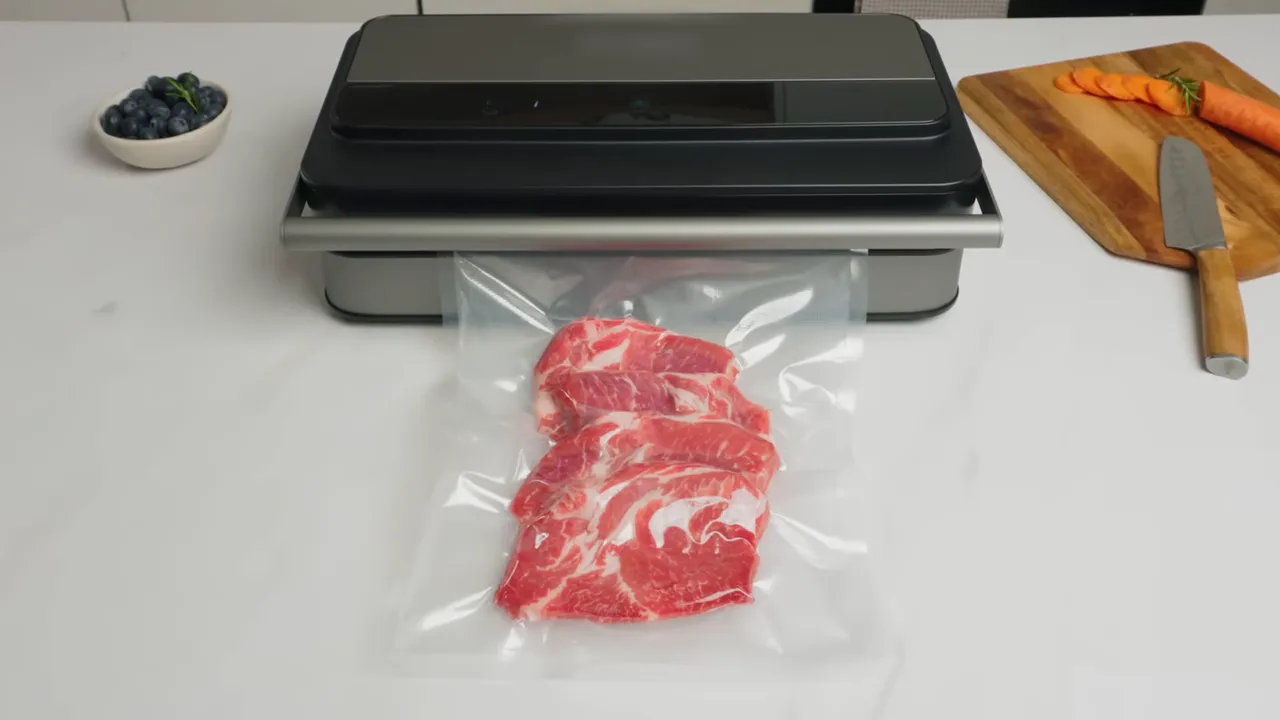
Instead of buying only what you need at today’s price, you can buy during a sale, divide the purchase into useful portions, and freeze it for future cooks.
For storage and handling guidance, the USDA’s freezing and food safety reference is a useful companion to any bulk-meat plan.
2. Look for Affordable Extra Freezer Capacity
A vacuum sealer and extra freezer space work well together. One protects the food; the other gives you room to take advantage of a good price.
Facebook Marketplace often has inexpensive chest freezers, and sometimes people give them away. The catch may be condition, pickup, or getting one out of a basement. You might need a spare set of hands and a little sweat equity.
If you have a suitable place for one, an extra freezer can give you more freedom to buy when prices are favorable rather than when dinner plans force your hand.
3. Consider a Less Expensive Brisket Grade
It is easy to get into the habit of asking for Prime brisket without considering whether the extra expense is paying off.
My most common move is from Prime down to Choice. Famous Texas barbecue operations have earned recognition using Choice and even Select beef. A premium label is not the only route to excellent barbecue.
There was also a period when everybody seemed excited about Wagyu brisket. In my own cooking, I have not found that the result justified the extra cost.
If a Choice brisket’s flat looks lean, one technique I use is trimming some fat, rendering it into tallow, and injecting that tallow back into the meat. It is one of the approaches I discuss in my brisket basics for improving the mouthfeel and juiciness of a lower-grade brisket.
That does not change its official grade. The goal is a satisfying result on the plate without automatically paying for the most expensive option.
4. Buy After Peak Demand, Not Just Before the Cook
Imagine buying holiday gifts after the rush, when stores are clearing out inventory. Similar opportunities show up at the meat counter.
I have looked at Google Trends, interest in different barbecue topics, and my own content performance to identify seasonal demand patterns. Those patterns help point to times worth checking for markdowns. They are opportunities to investigate, not a promise that every store will run the same sale.
Three windows are particularly worth keeping in mind:
- A day or two after the Super Bowl: I have found excellent prices on wings and sausages after the game-day demand passes.
- June, between Memorial Day and July 4: Brisket and ribs can be worth checking. A retailer may have overestimated Memorial Day demand and need to move inventory before the next major holiday.
- Right after Thanksgiving: Turkey, ham, and sometimes prime rib can see substantial markdowns. I have seen prices nearly 50% below what they were the previous week.
The combination matters: recognize a buying opportunity, portion the food, vacuum seal it, and have the freezer space ready. You do not need to cook the bargain the day you buy it.
My free BBQ affordability calendar collects 12 seasonal buying windows in a printable one-page reference. It comes with the temperature and cooking guide through my newsletter, so you can keep the reminders wherever you plan your shopping or barbecue cooks.
|
The Best Deal Is Beef You Will Actually Use
Is buying a quarter cow worth it? In Max’s case, the numbers showed a real 13% saving, plus benefits around sourcing, aging, and custom cuts.
But it also meant a large upfront payment, storage for 138.5 pounds of beef, less freedom to select individual steaks, and approximately 58 pounds of ground beef to work through.
Before committing, ask what weight the price is based on, what the expected packaged yield is, and how the order is likely to be divided among cuts. Then compare that mix with local prices and your own cooking habits.
If the order fits, great. If it does not, a vacuum sealer, affordable freezer space, a well-chosen Choice brisket, and better shopping timing can still make a meaningful difference.
The goal is not simply to buy more beef. It is to stop overpaying for the barbecue your family loves. Do not be afraid to fire it up, with a little more of that barbecue budget still in your pocket.


